

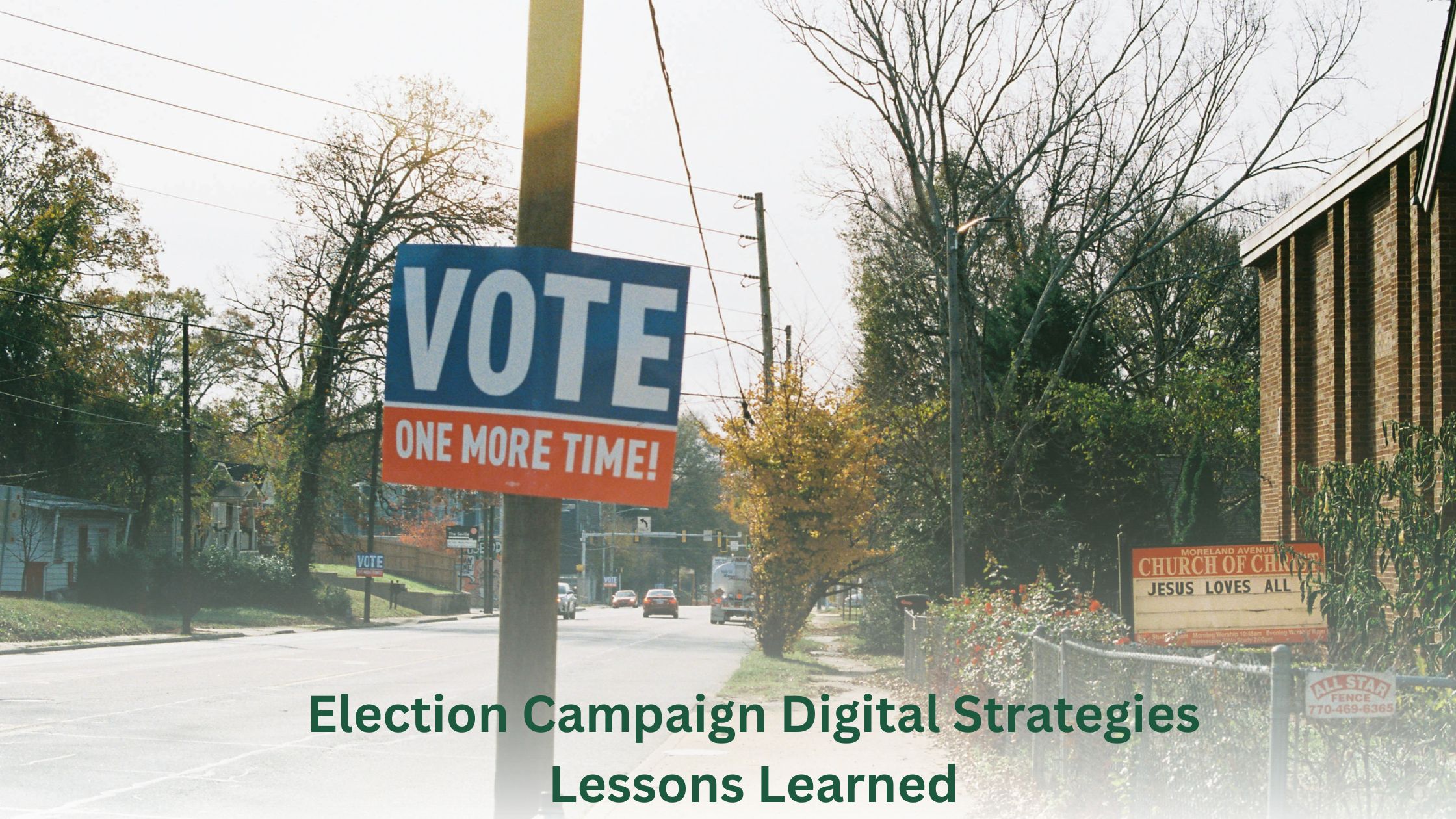
In today’s hyper-connected world, elections and business marketing have more in common than you might think. Both aim to influence behavior, engage audiences, and ultimately drive a measurable action—whether that’s casting a vote or making a purchase. Over the past decade, political campaigns have become a masterclass in digital marketing strategy. For small and mid-sized businesses, there’s a lot to learn from how election campaigns leverage data, storytelling, and social media to mobilize audiences.
At Veloz Marketing, we often look at election campaigns as a blueprint for strategic digital marketing. By understanding these strategies, businesses can amplify their reach, optimize their campaigns, and connect more authentically with their target audience.
What Businesses Can Learn from Election Campaigns
Election campaigns are built on urgency, storytelling, and precision targeting. Voters receive messages tailored to their interests, concerns, and values, often at the exact time they are most likely to take action. Businesses can adopt a similar approach by segmenting audiences, creating compelling narratives, and deploying content that resonates on a personal level.
For small and mid-sized businesses, the key takeaway is that audience engagement drives action. You don’t need a massive budget to make a meaningful impact. What matters is strategic planning, understanding your audience’s behaviors, and maintaining consistent communication—just like a successful political campaign. Learn more about how we help businesses implement such strategies on our services page.
What Is a Political Digital Marketing Agency?
A political digital marketing agency specializes in designing, executing, and optimizing digital campaigns for political candidates or parties. They handle everything from social media strategy and targeted advertising to email campaigns, content creation, and analytics.
Similarly, a digital campaign agency for businesses—like Veloz Marketing—helps brands craft their messaging, reach the right audience, and measure the effectiveness of every campaign. The common thread is clear: both types of agencies use data, storytelling, and audience insights to drive action.
Political agencies excel at understanding audience sentiment and creating personalized experiences. Businesses that adopt these strategies can improve their marketing ROI without necessarily increasing ad spend.
Key Election Campaign Digital Strategies
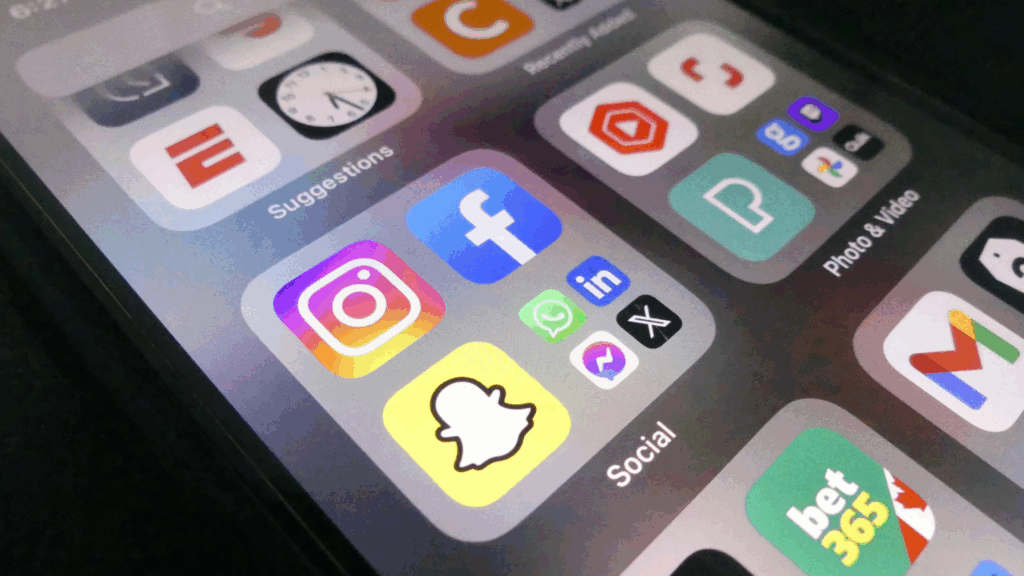
Social Media as a Battleground
Social media has transformed the way political campaigns are run. Platforms like Facebook, Twitter/X, Instagram, and TikTok are used to spread messages, mobilize supporters, and respond in real-time to events. For businesses, social media is equally crucial.
A successful social media marketing strategy for a political campaign involves:
- Consistency: Regular updates keep the audience engaged.
- Authenticity: Genuine messaging builds trust.
- Paid Advertising: Targeted ads reach specific audience segments.
- Influencer Collaboration: Grassroots organizers or micro-influencers amplify messages.
- Crisis Management: Quick, thoughtful responses to negative feedback protect credibility.
For businesses, these tactics translate into creating campaigns that feel personal, timely, and highly relevant, resulting in better engagement and conversions. Explore our blog hub to see examples of how similar strategies drive results for clients.
Data-Driven Targeting

Election campaigns leverage voter data to target individuals based on demographics, behavior, and past voting patterns. Businesses can adopt this by using customer segmentation and analytics tools to create targeted campaigns.
Tools and strategies include:
- Email segmentation for personalized campaigns
- Retargeting ads to high-potential leads
- Predictive analytics to forecast buying behavior
Learning from election campaigns, businesses can move beyond broad messaging and focus on micro-targeting, ensuring the right message reaches the right audience at the right time (HubSpot blog).
Content & Storytelling
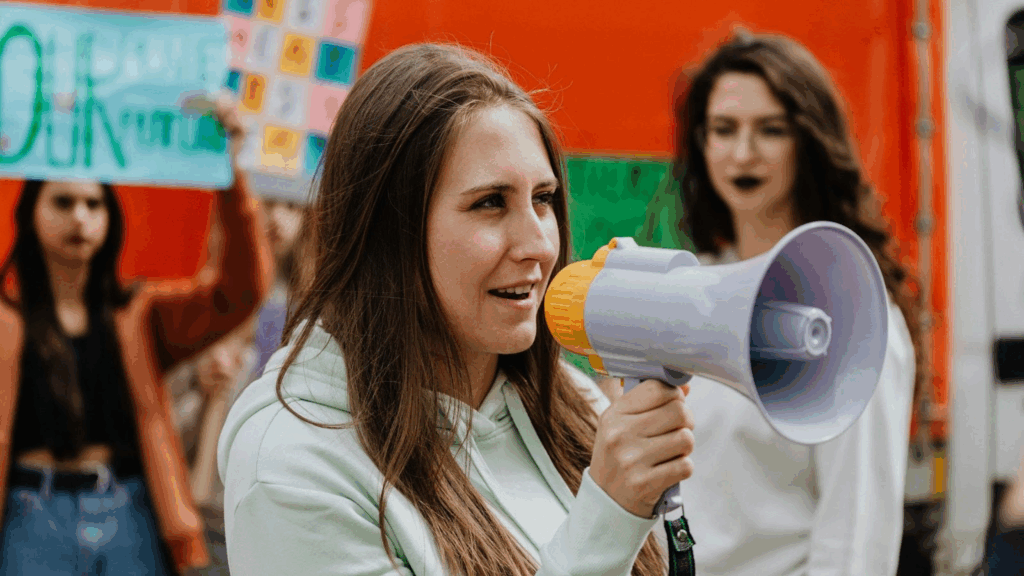
Digital political campaigns thrive on compelling narratives. Candidates tell stories that highlight their values, accomplishments, and vision. Similarly, businesses must craft stories around their brand identity. A strong narrative resonates emotionally, making the audience more likely to engage and convert.
The typical campaign funnel mirrors the marketing funnel:
- Awareness: Introduce your brand or message
- Engagement: Create interactions and conversations
- Conversion: Drive the desired action (vote, purchase, or signup)
Businesses that master storytelling can create campaigns that not only inform but inspire action. You can read more about storytelling in campaigns on our services page.
Influencer & Community Engagement
Political campaigns use grassroots organizers to spread messages and mobilize communities. Businesses can replicate this by leveraging brand ambassadors, influencers, or loyal customers to promote products and services. Engaging communities fosters trust, credibility, and higher engagement rates.
The Role of Digital Marketing in Political Campaigns
Digital marketing is the backbone of modern political campaigns. It allows campaigns to:
- Conduct social listening to gauge public sentiment
- Manage reputation and public perception in real-time
- Adjust messaging based on analytics and audience feedback
For businesses, this underscores the importance of monitoring online conversations and adapting campaigns dynamically. Using data to guide decisions ensures campaigns are relevant and effective. Check out more insights on this in our blog hub.

How Elections Affect Business and Consumer Behavior
Election seasons influence consumer sentiment and spending habits. Shifts in public mood, political debates, and media coverage can affect purchasing decisions and brand perception. For example, during high-profile elections:
- Ad spend increases as brands compete for attention
- Consumer attention shifts, requiring timely, relevant campaigns
- Urgency and emotional appeals drive decision-making
Understanding these patterns helps businesses plan seasonal campaigns, promotions, and messaging that resonate in a politically charged environment (Pew Research Center).
Mistakes to Avoid in Election Campaigns (and in Business Marketing)
Even the most sophisticated campaigns can falter. Common mistakes include:
- Over-promising without delivering results
- Ignoring certain audience segments
- Inconsistent messaging or poor timing
- Lack of transparency, leading to loss of trust
Businesses can learn from these errors to avoid pitfalls in their own digital marketing strategies. We cover similar strategies and lessons in depth on our services page.
Case Studies: Election Campaigns That Got It Right
- Obama’s 2008 Digital Campaign: Pioneered micro-targeting and social media engagement.
- Recent Data-Driven Campaigns: Used analytics to optimize messaging and voter outreach.
Lessons for small and mid-sized businesses:
- Even with limited budgets, precision and creativity win
- Engagement and relationship-building matter more than sheer ad spend
- Use data insights to refine campaigns continuously
Conclusion: Why Businesses Should Think Like Election Campaigns
Election campaigns demonstrate that strategy, storytelling, and audience understanding are more powerful than size or budget. Small and mid-sized businesses can learn from these strategies to create impactful, measurable digital campaigns.
At Veloz Marketing, we help businesses adopt these election-inspired strategies for brand growth, audience engagement, and ROI-driven campaigns. Explore our blog hub for more insights on effective digital marketing tactics.