

In today’s competitive market, acquiring a customer is only half the battle. True growth comes from keeping your customers engaged, satisfied, and loyal. That’s where retention tactics that scale your business become a game-changer. At Veloz Marketing , we’ve helped small and mid-sized businesses implement practical strategies that not only retain customers but also drive revenue growth over time.
Let’s dive into how you can scale your business with effective customer retention strategies.
What is Retention in Business Strategy?
Customer retention in business strategy refers to the ability of a company to keep its existing customers over time. Rather than focusing solely on acquiring new customers, retention emphasizes nurturing relationships, increasing customer lifetime value (CLV), and encouraging repeat purchases.
Retention is crucial because:
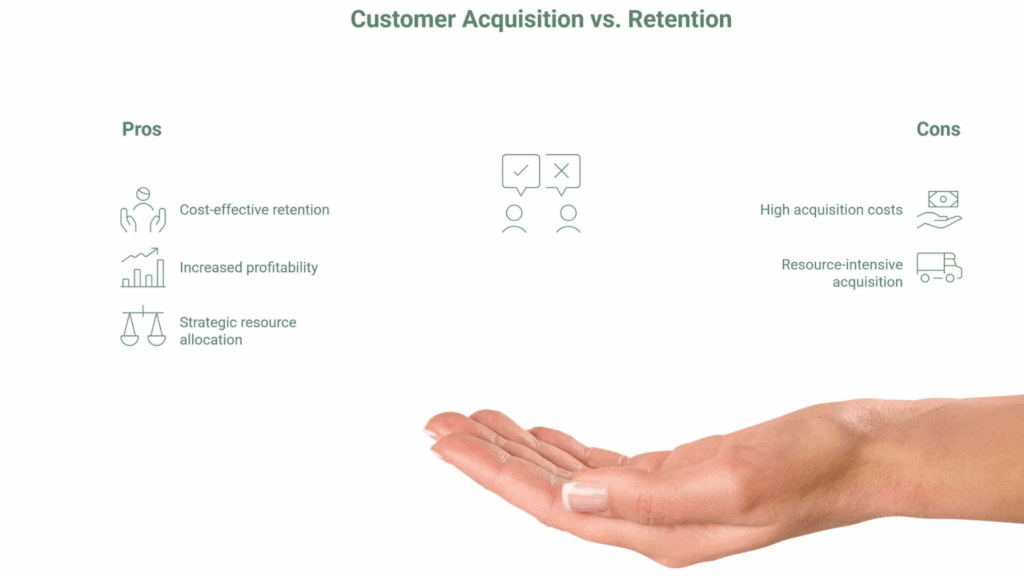
- Acquiring a new customer costs 5-25x more than retaining an existing one (HubSpot).
- Loyal customers are more likely to provide referrals.
- Long-term customers tend to spend more over time.
Retention isn’t just a metric—it’s a mindset. Businesses that integrate retention into their strategy see sustainable growth without constantly chasing new leads.
Why Retention Tactics Are Critical to Scaling
Scaling a business isn’t just about expanding your audience—it’s about deepening your relationship with the customers you already have. Effective retention tactics allow you to:
- Maximize customer lifetime value
- Build brand loyalty
- Generate word-of-mouth marketing
- Reduce churn
For small and mid-sized businesses, focusing on retention is often more cost-effective and scalable than constantly acquiring new customers.
Proven Strategies to Scale Your Business Through Retention
Here are actionable strategies you can implement immediately:
1. Personalize Customer Experiences
Personalization creates emotional connections. Use customer data to:
- Send personalized emails based on purchase history.
- Offer customized product recommendations.
- Celebrate milestones like anniversaries or birthdays.
Example: A small e-commerce brand might send a “Thank You” coupon to a customer one month after their first purchase, increasing the likelihood of repeat orders.

2. Implement Loyalty Programs
Rewarding loyalty encourages repeat behavior. Loyalty programs can include:
- Points-based systems
- VIP memberships
- Exclusive early access to new products
Example: Starbucks Rewards shows how a simple points system can drive repeat visits.
3. Engage Through Omnichannel Communication
Omni-channel retention strategies involve engaging customers across multiple platforms—email, social media, SMS, and in-app notifications—to create a seamless experience.
- Ensure your messaging is consistent across channels.
- Track customer interactions to provide timely follow-ups.
- Use automated reminders for abandoned carts or subscription renewals.

4. Leverage Feedback and Data
Customer feedback is a goldmine for retention. Collect data through surveys, reviews, or net promoter scores (NPS) to:
- Identify friction points
- Improve products/services
- Tailor marketing campaigns
Recommended Tools: Hotjar, Typeform, Google Analytics
Example: A SaaS company may survey users who cancel subscriptions to understand churn drivers and implement fixes.
5. Provide Outstanding Customer Service
Customers are more likely to stay when they feel supported. Retention-focused customer service includes:
- Quick response times
- Proactive problem-solving
- Knowledgeable support agents
Example: Zappos built a billion-dollar business by making customer service a core retention tactic.

Which Tactic is Used to Improve Customer Retention?
Several tactics improve retention, including:
- Personalized communications
- Loyalty and rewards programs
- Regular engagement across multiple channels
- Collecting and acting on customer feedback
- Exceptional customer service
These tactics work best when combined into a comprehensive retention strategy rather than in isolation.
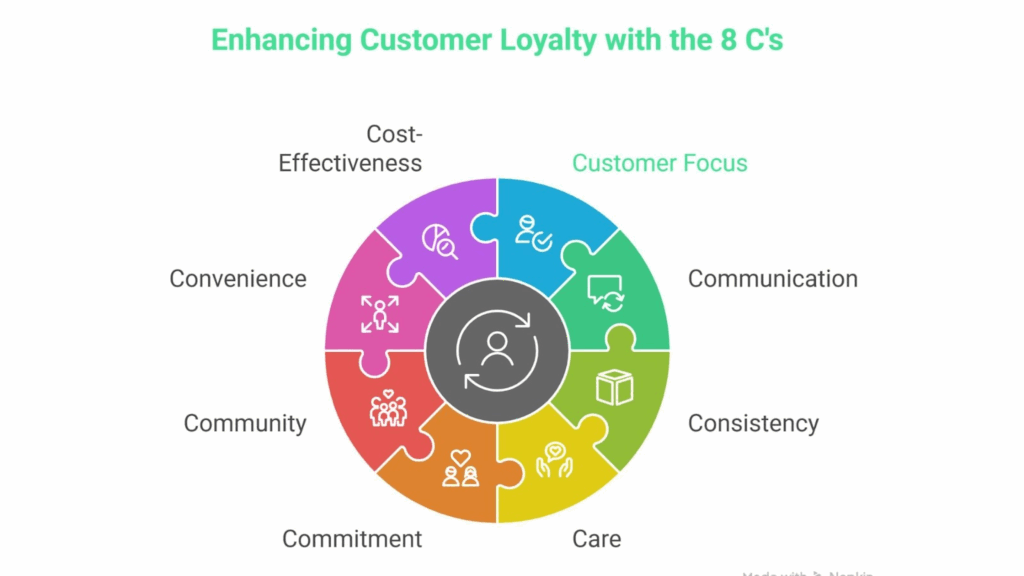
The 8 C’s of Customer Retention
The 8 C’s are a helpful framework for understanding retention:
- Consistency – Deliver reliable experiences every time.
- Convenience – Make it easy for customers to interact with your business.
- Communication – Keep customers informed and engaged.
- Competence – Provide quality products and services.
- Confidence – Build trust and credibility.
- Connection – Foster emotional engagement with your brand.
- Customization – Personalize experiences for individual customers.
- Care – Show genuine concern for customer needs and satisfaction (Forbes).
How to Evaluate Retention Tactics
To measure the success of retention strategies:
- Customer Churn Rate – Percentage of customers lost over time
- Repeat Purchase Rate – Frequency of repeat orders
- Customer Lifetime Value (CLV) – Revenue generated per customer
- Engagement Metrics – Email open rates, social interaction, app usage
Page Channel Evaluation: Analyze retention performance on individual channels (email, social media, app, website) to identify which channels drive the most loyalty.
Scaling Retention Tactics
Once you’ve identified successful retention strategies, scale them by:
- Automating communications and workflows
- Using segmentation to target high-value customers
- Continuously testing and optimizing messaging
- Investing in technology that supports growth
Conclusion
Retention tactics are not just “nice-to-have”—they’re essential for scaling your business sustainably. By implementing personalized experiences, loyalty programs, omnichannel engagement, and robust data analysis, small and mid-sized businesses can maximize customer lifetime value and foster long-term growth.
At Veloz Marketing , we specialize in designing retention strategies that grow with your business, keeping your customers happy and your revenue increasing.